Celine Coyne
MBACP Accred, and EMDR UK
Counselling and Psychotherapy, EMDR (Eye Movement Desensitisation Reprocessing) in Islington and Southwark, London
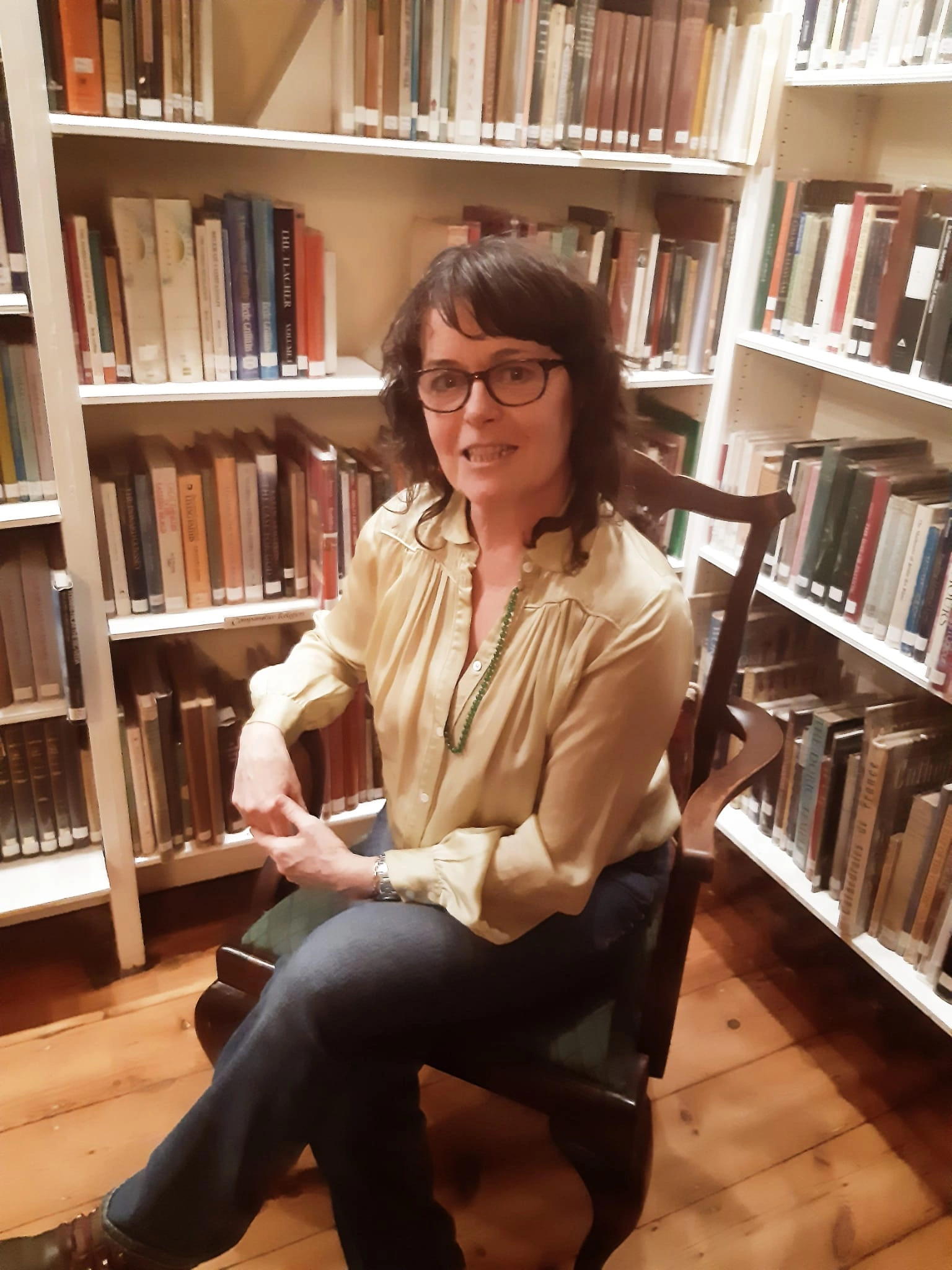
Welcome, and thank you for visiting my website. My practice incorporates Counselling, Psychotherapy and EMDR based in Islington and Southwark, both in person and online.
About Me
After university, I spent over a decade working across the criminal justice, education, and child protection systems, often supporting people through addiction, trauma, and significant life disruption.
After becoming a parent and taking a career break, I began to re-evaluate what truly mattered to me and made the decision to create a more fulfilling, nurturing, and people-focused career. This led to a deep dive into holistic health and wellbeing, and over the last 20 years I've trained in a wide range of therapeutic approaches including complementary therapies, counselling, psychotherapy, EMDR, and integrative mind-body practices.
I'm also currently developing my practice with Internal Family Systems (IFS), an approach that helps people build a compassionate relationship with the different parts of themselves. Drawing on this varied background, I help clients reconnect with themselves, rebuild emotional balance, and move through life with greater clarity and ease.
I run a private practice from a therapeutic community based in London Bridge, working with adults from a wide range of backgrounds and diverse presenting concerns. I work both in person and online, offering psychotherapy and EMDR to clients across the UK and internationally.
Working online allows for continuity, flexibility, and depth, and means I can support clients wherever they are based.



Areas of Expertise
Stress and anxiety
Depression
Bereavement, loss and separation
Traumatic experiences from the past and /or present
Relationship issues
Emotional Physical and Sexual abuse
Low confidence and self esteem
Substance Misuse
Domestic violence and abuse
EMDR
In 1987, Francine Shapiro presented her research and development of EMDR (Eye Movement Desensitisation and Reprocessing) and demonstrated how it utilised this natural adaptive process in order to successfully treat the psycho-physiological difficulties caused by traumatic events. While her initial research focused on EMDR’s effectiveness in working with Post-traumatic Stress Disorder (PTSD), her further research and extensive international research and development over the last 30+ years, has demonstrated how EMDR can be used effectively to treat a wide range of mental health problems throughout the world.
What happens when you are traumatised?
EMDR is a gentle and structured therapy that helps the mind heal from difficult or overwhelming experiences. Sometimes when something stressful or painful happens, the memory doesn’t get fully processed, and parts of it can remain “stuck.” When this happens, we may continue to feel the emotional impact long after the event has passed — through anxiety, strong reactions, uncomfortable thoughts, or a sense of being on edge.
EMDR supports your brain in completing the natural healing process. You don’t have to go into great detail about what happened. Instead, we briefly bring the memory or feeling into awareness while using simple, calming techniques like eye movements or tapping. This helps both sides of the brain work together, allowing the memory to soften, settle, and become less charged.
People often notice that, over time, they feel calmer, more grounded, and less triggered by things that once felt overwhelming. The memory doesn’t disappear, but it becomes easier to hold — as though it finally belongs in the past rather than taking up space in the present.
Throughout the process, the focus is always on your pace, your safety, and your experience. My aim is to offer a warm, accepting space where you feel seen, heard, and supported as we work through what you’re carrying.
EMDR has been successfully used to treat:
- Depression
- PTSD
- Anxiety and panic attacks
- Stress
- Anger
- Sleep problems and nightmares
- Traumatic loss and grief
- Addictions and other habitual behavioural problems
- Phobias
- Physical pain associated with trauma including phantom limb pain
- Self-esteem and performance anxiety
- Personality Disorders
- Agoraphobia
- & others.
Session Details
EMDR
Duration: 60 to 90 minutes
Locations
In-person: Islington, North London N7 and
Southwark: Number 42, 42 Borough High Street, London SE1 1XW
Online: Via Zoom
Get in touch
If you are considering therapy and would like to speak to me about this, please use the contact form below, or send me an email at coynecounselling@gmail.com. I will respond to you as soon as I can.
I offer a free initial online assessment of up to 30 minutes via Zoom to discuss your requirements and expectations. This gives you the opportunity to meet me, to establish whether my skills are a good match for your particular issues, and to see how we both feel about working together.
Please contact me to arrange this.
Self Care Tips
From digestion and heart rate to breathing and mood, the vagus nerve is responsible for keeping our body in balance. However due to our busy lifestyles, past unhealed wounds, or factors such as stress, and anxiety it is quite common for the vagus nerve to become imbalanced and it often requires a reset to restore optimal functioning.
The vagus nerve, how to reset with practical tips; gently massage the area just behind your earlobes and trace down the sides of your neck using soft circular motions. You can also place your fingers on your chest (above the sternum) and massage outwards towards your shoulders. For added relaxation, pair the massage with calming essential oils or breathe deeply while you work.
These simple massage techniques for the vagus nerve are especially helpful for easing anxiety, reducing tension headaches and resetting your stress response. It's a small self care ritual that offers big relief.