Celine Coyne
MBACP Accred, and EMDR UK
Counselling and Psychotherapy, EMDR (Eye Movement Desensitisation Reprocessing) in Islington and Southwark, London
Welcome, and thank you for visiting my website. My practice incorporates Counselling, Psychotherapy and EMDR based in Islington and Southwark, both in person and online.
About Me
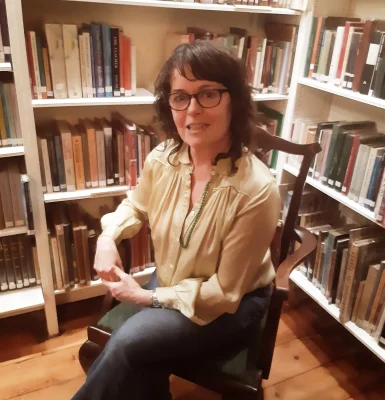
I am an MBACP Accredited Integrative and EMDR qualified psychotherapist with a passion for helping individuals navigate life's challenges. As well as private practice, I have worked with a diverse range of clients and issues. I have been providing counselling in organisations such as the criminal justice system, women's charities for domestic violence and substance misuse, post natal depression charity for women and their families.
Drawing on creativity and nature, I bring a compassionate and holistic approach to my work.


My Approach
Life's hurdles, whether they relate to self-esteem, relationship issues, addictive behaviours, anxiety and depression, attachment issues, or separation, can significantly impact our well-being. I believe in the power of being witnessed and accepted to facilitate change.
The philosophy behind integrative Counselling and Psychotherapy is that no single therapeutic method works for everyone, and an effective treatment plan should be tailored to each person's specific circumstances and challenges.
Key principles of Integrative Therapy
Every participant is viewed as a unique individual with distinct problems and needs. This means that therapy techniques are customised to fit your personal experiences and goals.
Integrative therapy addresses the complete well-being of the individual—mental, emotional, physical, and spiritual. This holistic approach encourages a deeper understanding of oneself and
fosters overall well-being.
Creating a safe and supportive environment is crucial. This allows participants to take responsibility for their lives, fostering personal growth and transformation.
What I Offer
At the core of all of this a practical empathy: I am committed to providing you with a non-judgemental space where you can explore those thoughts, patterns and behaviors that cause suffering and shame.
I provide both long and short-term therapy tailored to your unique needs. Together, we will gently explore your internal world, aiming to untangle and rediscover your true self. My goal is to support you in living a life that aligns more closely with your authentic self.
Areas of Expertise
Stress and anxiety
Depression
Bereavement, loss and separation
Traumatic experiences from the past and /or present
Relationship issues
Emotional Physical and Sexual abuse
Low confidence and self esteem
Substance Misuse
Domestic violence and abuse
EMDR
In 1987, Francine Shapiro presented her research and development of EMDR (Eye Movement Desensitisation and Reprocessing) and demonstrated how it utilised this natural adaptive process in order to successfully treat the psycho-physiological difficulties caused by traumatic events. While her initial research focused on EMDR’s effectiveness in working with Post-traumatic Stress Disorder (PTSD), her further research and extensive international research and development over the last 30+ years, has demonstrated how EMDR can be used effectively to treat a wide range of mental health problems throughout the world.
What happens when you are traumatised?
EMDR is a gentle and structured therapy that helps the mind heal from difficult or overwhelming experiences. Sometimes when something stressful or painful happens, the memory doesn’t get fully processed, and parts of it can remain “stuck.” When this happens, we may continue to feel the emotional impact long after the event has passed — through anxiety, strong reactions, uncomfortable thoughts, or a sense of being on edge.
EMDR supports your brain in completing the natural healing process. You don’t have to go into great detail about what happened. Instead, we briefly bring the memory or feeling into awareness while using simple, calming techniques like eye movements or tapping. This helps both sides of the brain work together, allowing the memory to soften, settle, and become less charged.
People often notice that, over time, they feel calmer, more grounded, and less triggered by things that once felt overwhelming. The memory doesn’t disappear, but it becomes easier to hold — as though it finally belongs in the past rather than taking up space in the present.
Throughout the process, the focus is always on your pace, your safety, and your experience. My aim is to offer a warm, accepting space where you feel seen, heard, and supported as we work through what you’re carrying.
EMDR has been successfully used to treat:
- Depression
- PTSD
- Anxiety and panic attacks
- Stress
- Anger
- Sleep problems and nightmares
- Traumatic loss and grief
- Addictions and other habitual behavioural problems
- Phobias
- Physical pain associated with trauma including phantom limb pain
- Self-esteem and performance anxiety
- Personality Disorders
- Agoraphobia
- & others.
Professional Background
My professional journey has predominantly been within the public sector, where I have worked extensively with children and families, particularly in contexts involving domestic abuse and post-natal challenges. This background has equipped me with a deep understanding of the complexities of human relationships and individual resilience.
Philosophy
I believe that each person holds the key to their internal world. Through our work together, in a space of safety and acceptance, my aim is to help you access and explore that world, leading to a more aligned and fulfilling life.
I offer EMDR therapy to help treat past trauma and emotional wounds that may be preventing you from living your fullest life. EMDR can be a transformative treatment, freeing individuals from the burden of their past experiences.

Session Details
EMDR
Duration: 60 to 90 minutes
Locations
In-person: Manor Gardens, Islington, North London N7 and
Southwark: Number 42, 42 Borough High Street, London SE1 1XW
Online: Via Zoom
Free Consultation
You are welcome to a free 15-minute telephone consultation before booking an initial assessment
Get in touch
Feel free to contact me if you have any questions about how counselling works, or to arrange an initial appointment. This enables us to discuss the reasons you are thinking of coming to counselling, whether it could be helpful for you and whether I am the right therapist to help.
You can also call me on +44 77579 18382 if you would prefer to leave a message or speak to me first. I am happy to discuss any queries or questions you may have prior to arranging an initial appointment.
All enquires are usually answered within 24 hours, and all contact is strictly confidential and uses secure phone and email services.
Self Care Tips
From digestion and heart rate to breathing and mood, the vagus nerve is responsible for keeping our body in balance. However due to our busy lifestyles, past unhealed wounds, or factors such as stress, and anxiety it is quite common for the vagus nerve to become imbalanced and it often requires a reset to restore optimal functioning.
The vagus nerve, how to reset with practical tips; gently massage the area just behind your earlobes and trace down the sides of your neck using soft circular motions. You can also place your fingers on your chest (above the sternum) and massage outwards towards your shoulders. For added relaxation, pair the massage with calming essential oils or breathe deeply while you work.
These simple massage techniques for the vagus nerve are especially helpful for easing anxiety, reducing tension headaches and resetting your stress response. It's a small self care ritual that offers big relief.